Mastering the Art of Casting: Your Complete Guide for Selecting the Finest Fly Fishing Rods
Choosing the ideal fly fishing rod is crucial for both comfort and performance. Various factors come into play, such as rod action, length, and materials. Each component affects how effectively an angler can perform on the water. Recognizing these aspects can make a considerable difference in angling success. As anglers explore their possibilities, the path to finding the perfect rod becomes easier to navigate. What aspects should they emphasize to enhance their experience on the water?
Selecting the Best Fly Rod: Essential Considerations to Keep in Mind
Choosing the right fly rod is vital for an pleasant fishing experience. Multiple key factors must be taken into account to ensure the right choice. First, rod length makes a considerable difference, with longer rods providing increased casting distance and control, while shorter rods provide greater maneuverability in tight spaces. The rod's action—whether fast, medium, or slow—dictates how much flexibility it has, impacting casting precision and sensitivity.
Additionally, the heft of the rod should align with the type of fish being targeted and the conditions of the water. A properly weighted rod optimizes casting precision and decreases fatigue throughout lengthy outings. The handle design also impacts comfort; choices encompass cork and foam, each offering different tactile feedback. As a final consideration, recognizing the fishing technique, be it dry fly, nymphing, or streamer fishing, will direct the choice of rod. All things considered, these factors work together to create a rewarding fly fishing adventure.
A Guide to Fly Rod Materials: Finding the Right Fit for You
What materials are important for anglers to consider when picking a fly rod? The key materials employed in fly rod building are graphite, fiberglass, and bamboo, each delivering notable strengths. Graphite rods are known for being lightweight and responsive, delivering exceptional accuracy and sensitivity, making them well-suited for diverse fishing environments. Fiberglass rods, despite being heavier, are celebrated for their sturdiness and graceful casting performance, making them an excellent choice for beginners and anglers who favor a slower casting style. Bamboo rods, though less common, offer unmatched craftsmanship and a classic feel but come with a higher price tag and maintenance requirements.
At the end of the day, the final decision is influenced by the fisherman's skill level, preferred fishing techniques, and individual tastes. Graphite tends to be the preferred choice due to its adaptability, while fiberglass attracts anglers who prefer a classic fishing style. Being well-versed in these materials helps fishers make educated choices, elevating the quality of their fishing adventures.
Choosing the Right Fly Rod Length for Different Fishing Scenarios
In what way does fly rod length affect fishing success? The length of a fly rod serves a significant purpose across different fishing conditions, impacting review article how far you can cast, your accuracy, and your level of control. Rods on the shorter end, generally measuring around 7 to 8 feet, work best in confined areas, like narrow streams and heavily wooded environments, allowing for more precise casts. Conversely, longer rods, ranging from 9 to 10 feet or more, excel in open water situations, providing greater leverage for casting longer distances and better line control in windy conditions.
Furthermore, extended rods support high-stick and roll casting methods, which are beneficial in rapidly flowing water. However, they might be awkward in confined spaces. Ultimately, the optimal rod length depends on the specific fishing environment and techniques employed, making it essential for anglers to pair their rod choice with the situations they are likely to encounter.
What Does Fly Rod Action Mean for Your Cast?
The action of a fly rod considerably influences overall casting technique and performance. This describes how deeply and at which point the rod curves throughout the cast. Commonly classified as slow, medium, and fast, each action type affects the angler's capacity to load the rod and generate energy.
Slow action fishing rods flex more toward the tip, providing enhanced flexibility, which may boost accuracy when making delicate presentations. On the other hand, fast action rods flex primarily at the base, offering greater power and casting distance, making them well-suited for casting in windy conditions or when fishing for larger species.
Medium action rods strike a balance, ideal for a wide range of scenarios. Understanding rod action is essential for matching the casting style to specific fishing scenarios. The correct action provides enhanced line control and bait presentation, boosting the angler's performance on the water. Every angler ought to evaluate their personal style and the waters they frequent when choosing a rod.
Selecting the Right Fly Rod Weight for Your Target Fish
Selecting the appropriate fly rod weight is vital for successfully targeting specific fish species. Fly rods are typically classified by weight, which influences casting distance, accuracy, and the ability to accommodate different fish sizes. Lighter rods, typically rated from 0 to 3 weight, are well-suited for more compact fish such as panfish and trout in serene waters. On the other hand, medium-weight rods (4 to 7 weight) work well for a variety of freshwater species, including larger trout and bass. For saltwater fishing or targeting larger species, rods rated at 8 weight or higher are required, as they provide the strength and backbone to manage heavier lines and larger fish. Recognizing the relationship between rod weight and target species enables anglers to select equipment that increases their chances of success while guaranteeing a more satisfying fishing experience. By matching rod weight to the specific fish, anglers improve performance and improve their overall fishing outcomes.
How to Test and Select the Best Fly Rod for You
When selecting a fly rod, it is essential to consider each angler's unique approach to ensure compatibility. Reviewing different rod action types enables anglers determine how each rod functions under a range of situations. Furthermore, accounting for weight and length can greatly impact the accuracy of each cast and overall fishing experience.
Assess Your Fishing Style
How can an angler determine the right fly rod to match their unique fishing style? First, they should reflect on their preferred fishing environments, such as rivers, lakes, or saltwater. Various environments typically demand particular rod lengths and weights to achieve the best results. Next, an angler must consider the species they intend to target, as this influences both rod action and power. Moreover, determining whether they lean toward refined presentations or more forceful casting approaches can significantly inform their decision. Ultimately, trying out different rods for comfort and balance ensures that the angler is able to manage the gear with confidence. Through careful consideration of these elements, an angler can make an informed decision about a fly rod that aligns with their personal fishing approach and enhances their time on the water.
Analyze Rod Action Types
Grasping rod flex behavior is crucial for fishing enthusiasts aiming to align their gear with their angling approach. Rod action refers to how much of the rod flexes when casting and battling fish. It is commonly divided into slow, medium, and fast classifications. Slow action rods flex along their entire length, providing a softer feel and better casting control for delicate presentations. Medium action rods offer a balance, ideal for a wide range of fishing approaches. Fast action rods flex primarily at the tip, facilitating rapid, strong casts and superior hook-setting ability. To determine the most suitable rod action, fishing enthusiasts should weigh their target fish, angling techniques, and personal comfort. Testing different actions can provide insight into what feels most comfortable and effective.
Factor in Weight and Length
Selecting the correct weight and length of a fly rod is essential for optimizing your performance while fishing. Fly fishers should evaluate the kind of fish they plan to pursue and the fishing conditions. Lighter rods, generally ranging from 0 to 5 weight, are ideal for delicate presentations and small streams, while rods on the heavier end, classified from 6 to 12 weight, are appropriate for larger species and windy conditions. Rod length is equally important; shorter rods offer better control in tight spaces, whereas longer rods enhance casting distance and line management. To select the best option, those looking to buy should try out different rods, focusing on comfort and overall balance, making sure the chosen rod suits their fishing technique and improves their time on the water.
Frequently Asked Questions
What Are the Best Practices for Maintaining and Caring for My Fly Fishing Rod?
To maintain a fly fishing rod, regularly clean it with freshwater, check the guides and ferrules for any signs of damage, keep it stored in a protective case, and prevent exposure to extreme temperatures or direct sunlight.
Which Brands Are Regarded as the Top Choices for Fly Rods?
Premier brands for fly rods include Redington, Sage, and Orvis, known for their quality and performance. Other well-known names like G. Loomis and Scott also offer exceptional options, accommodating a wide range of skill levels and preferences.
Can I Use a Fly Rod for Other Types of Fishing?
That's correct, a fly rod is suitable for various other fishing, such as light spinning or bait casting. Nevertheless, its build may not be ideal for some fishing approaches, potentially affecting your overall performance and catch rates.
How Much Does a Quality Fly Rod Typically Cost?
A premium fly rod generally costs between $200 to $800, depending on the brand, construction materials, and technology used. Serious fishermen frequently note that purchasing a quality rod significantly improves their fishing performance and overall experience.
What Equipment Do I Need for Fly Fishing With My Rod?
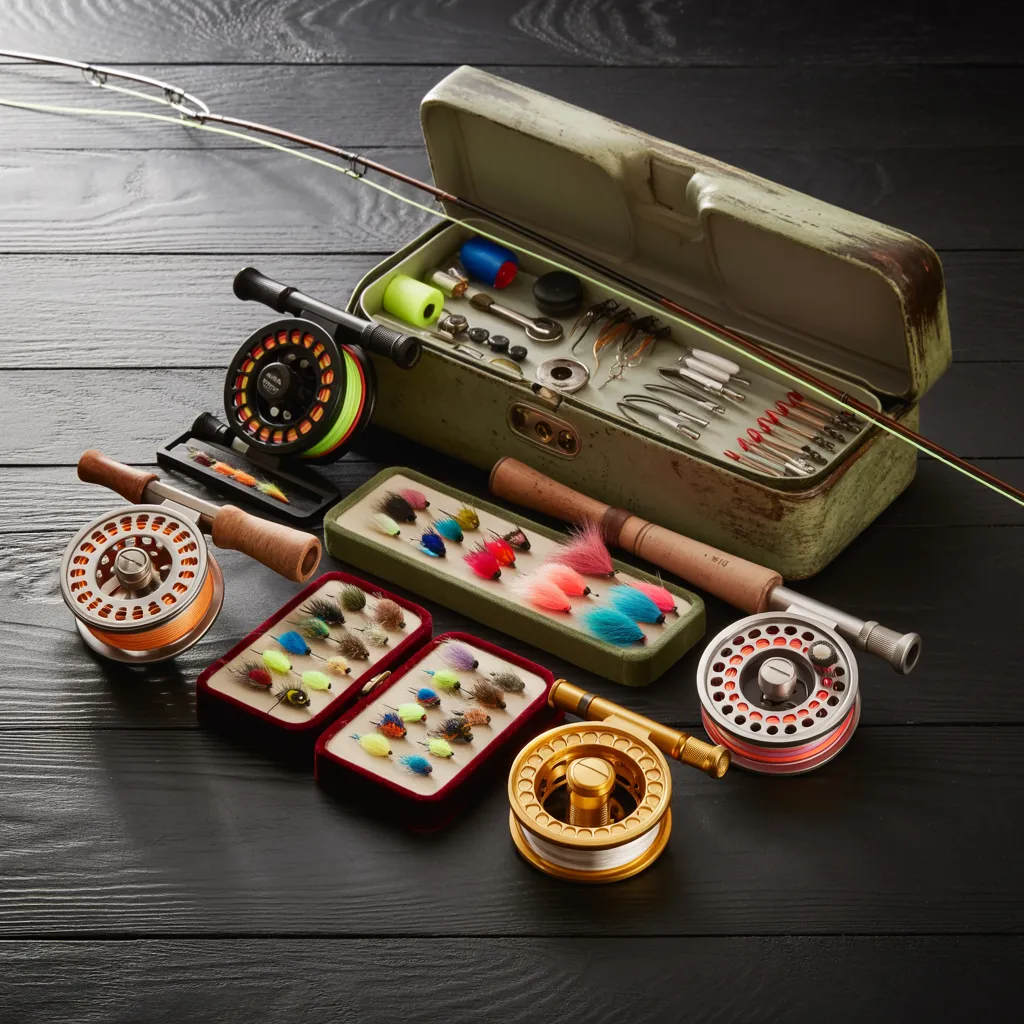
To succeed at fly fishing, essential accessories include a fishing reel, line, leader line, tippet, artificial flies, floatant, and equipment such as nippers and forceps. A quality fishing tackle box for organization can additionally elevate the overall fishing experience.